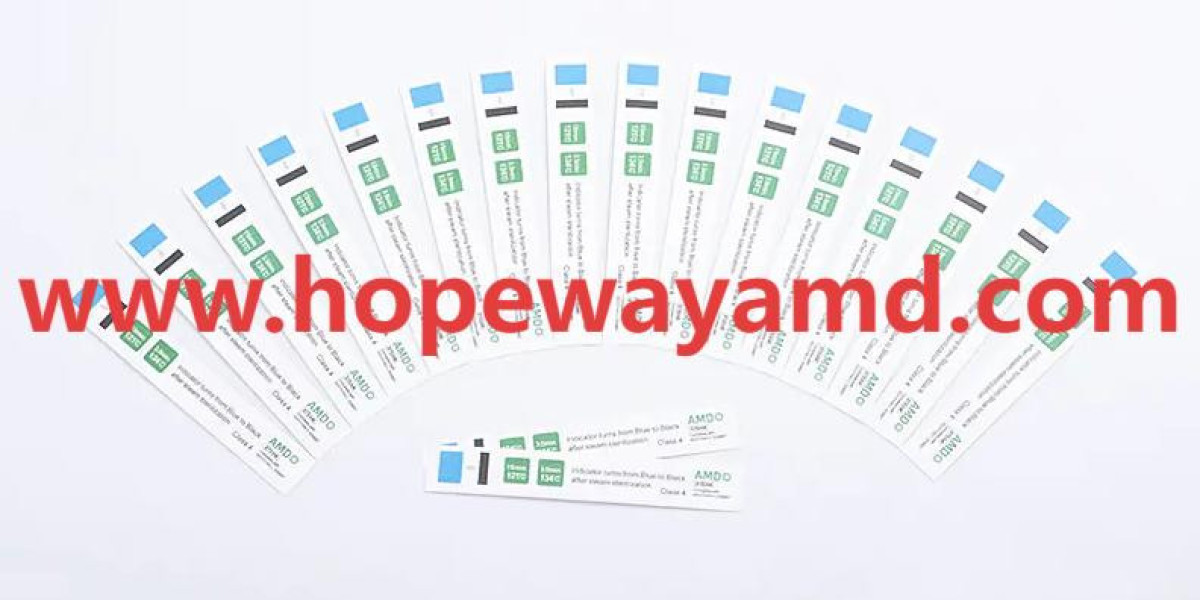

In sterilization environments, clear process monitoring plays an important role in maintaining organized workflows. Eo Indicator Strips from Hopeway AMD provide a practical visual approach for checking exposure to ethylene oxide sterilization conditions. Designed with usability in mind, such indicators can become a convenient part of routine packaging and sterilization procedures, helping operators identify process exposure through an easy-to-observe indication.
Sterilization work often involves multiple steps, from preparing medical instruments and packaging materials to arranging loads and completing processing procedures. A simple visual indicator can support this workflow by providing an additional point of reference. Instead of relying entirely on process records or equipment settings, operators can use an indicator as part of their established monitoring practices.
Visual clarity is particularly useful in busy professional environments. When sterilized items move through different stages of handling, identification can become an important consideration. An indicator that is easy to recognize can help teams maintain a more orderly process and reduce uncertainty during routine handling. This makes visual monitoring a useful complement to established sterilization procedures.
Material selection also matters when choosing an indicator for professional applications. Sterilization accessories need to fit naturally into packaging and handling processes without creating unnecessary complications. A thoughtfully designed indicator can be incorporated into existing workflows while keeping the monitoring process straightforward.
Another valuable consideration is consistency in daily operations. Medical and laboratory environments often require repeatable procedures, and monitoring tools should support that consistency rather than make workflows more complicated. Clear visual indication can help personnel quickly distinguish processed materials from items that still require attention, depending on the procedures established within the facility.
Packaging applications can also benefit from convenient indicator formats. When indicators are easy to position, store, and handle, they can become a natural part of sterilization preparation. This practical approach helps teams focus on their established procedures while maintaining an additional visual reference throughout the workflow.
Beyond convenience, effective process monitoring is about creating a structured working environment. Every stage of sterilization requires attention, and small supporting tools can contribute to better organization. Indicators can work alongside sterilization equipment, packaging systems, documentation, and internal quality procedures to create a more coordinated process.
For facilities evaluating sterilization monitoring solutions, it is useful to consider how an indicator fits into the complete workflow rather than viewing it as an isolated accessory. Application requirements, packaging methods, storage practices, handling routines, and internal procedures can all influence the appropriate choice.
A carefully selected indicator can therefore serve as part of a broader approach to process awareness. Its role is not to replace validated sterilization procedures, but to provide an additional visual reference that supports routine monitoring activities.
If you are looking for a fresh way to improve the visibility and organization of your sterilization workflow, there is more to see beyond the page. Visit https://www.hopewayamd.com/product/ and take a closer look at the available solutions—your next process improvement idea may be only one click away.