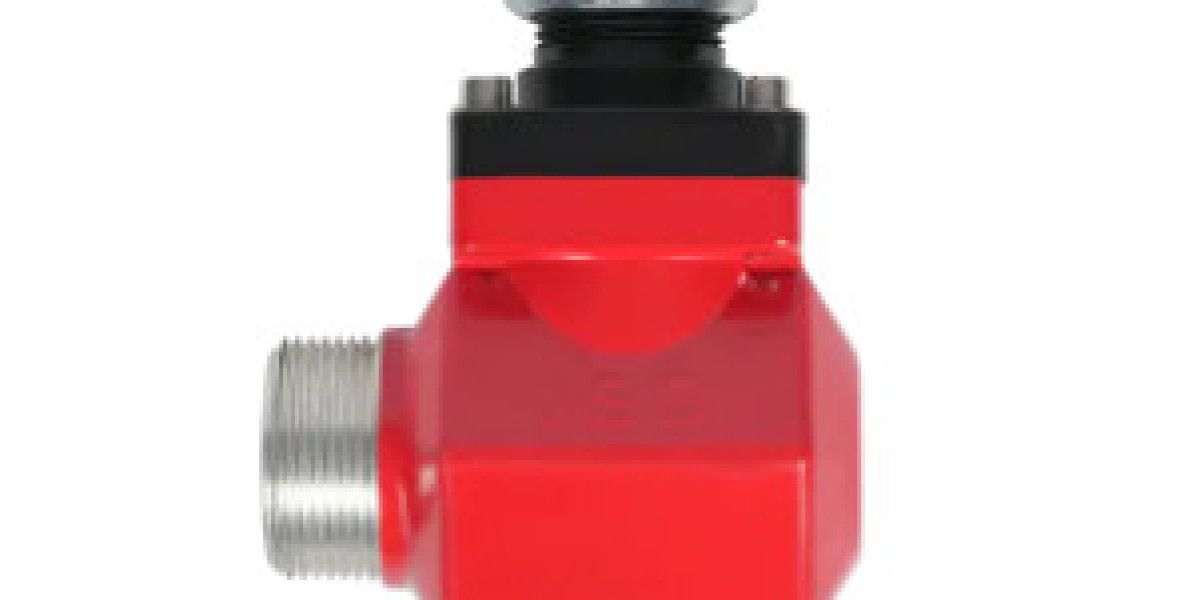

Agricultural spraying equipment must operate reliably under changing field conditions, including vibration, dust, moisture, and repeated exposure to chemical formulations. Whether installed in field sprayers, orchard machinery, or specialized crop protection systems, the pump is responsible for moving liquid through the distribution circuit and supporting consistent spraying performance. A well-engineered Sprayer Diaphragm Pump combines a reliable pumping mechanism with suitable materials and accurate manufacturing to meet the practical requirements of agricultural machinery.
The diaphragm pumping principle uses the repeated movement of a flexible membrane inside a working chamber. During the suction stage, the diaphragm moves away from the chamber, increasing its internal volume and drawing liquid through the inlet valve. During the discharge stage, it moves in the opposite direction and pushes liquid through the outlet. Check valves help control the direction of fluid movement and maintain the pumping cycle. This arrangement separates the conveyed liquid from selected drive components, reducing their direct exposure to agricultural formulations.
Material selection is essential because agricultural liquids can contain different chemical ingredients. Pesticides, fertilizers, and other spraying mixtures may affect plastics, metals, and elastomers in different ways. The diaphragm must retain flexibility and sealing performance during repeated movement, while internal seals need to resist the intended chemical environment. Housing materials must also provide sufficient structural strength to withstand operating loads, vibration, and outdoor exposure. Manufacturers may use engineering plastics, aluminum alloys, and specialized elastomers depending on the intended application.
The design of internal components influences fluid delivery and operating consistency. The pumping chamber must support smooth diaphragm movement, while the inlet and outlet passages should allow liquid to move without unnecessary restrictions. Valve assemblies regulate fluid direction and help prevent reverse flow during operation. Accurate sealing surfaces reduce leakage risks, while consistent diaphragm positioning supports predictable movement. These details are important because problems in one component can affect the performance of the complete pumping mechanism.
Manufacturing technology helps ensure that these components work together correctly. Molding processes require control over material distribution and dimensional consistency, particularly for flexible diaphragms and polymer housing sections. Machining operations help maintain accurate interfaces where components connect or seal. During assembly, appropriate fastening and component positioning help prevent uneven compression and unnecessary mechanical stress. Quality inspections may include material verification, dimensional checks, visual examination, leakage evaluation, and functional testing.
The pump should always be selected according to the requirements of the complete spraying system. Liquid flow and operating pressure are influenced by nozzle characteristics, hose dimensions, the number of active outlets, and pressure-control components. Filters help prevent particles from entering the pumping chamber, but accumulated contaminants can restrict liquid supply. Pressure regulators and relief components also influence system behavior. Considering these factors together helps manufacturers select a pump that matches the intended equipment configuration.
Installation quality contributes to dependable performance. The suction line should avoid unnecessary bends, restrictions, and loose connections that may allow air to enter the system. Hoses and fittings must be suitable for the intended agricultural liquid and operating conditions. Secure mounting can reduce vibration-related problems, while accessible installation positions simplify inspection and maintenance. Correct connection arrangements also make it easier to integrate the pump into different agricultural machine designs.
Routine maintenance helps protect the pump during repeated spraying operations. Operators should inspect hoses, clamps, filters, seals, and visible housing surfaces for signs of leakage or wear. Unusual noise, reduced liquid output, or inconsistent spray patterns may indicate a blocked filter, worn valve, damaged diaphragm, or suction-side problem. Identifying the cause before replacing components can reduce unnecessary service costs. Cleaning should follow the chemical manufacturer's instructions and the pump supplier's recommendations to prevent residue accumulation and material deterioration.
For agricultural machinery manufacturers, distributors, and professional sprayer suppliers, choosing a suitable Sprayer Diaphragm Pump requires evaluating chemical compatibility, fluid delivery requirements, manufacturing consistency, and maintenance convenience. Reliable replacement components and clear technical support also contribute to long-term equipment serviceability. SHUANG DIN Co Ltd. provides diaphragm pump solutions for agricultural fluid handling applications, with further company information available at https://www.agriculturaldiaphragmpump.com/about/.