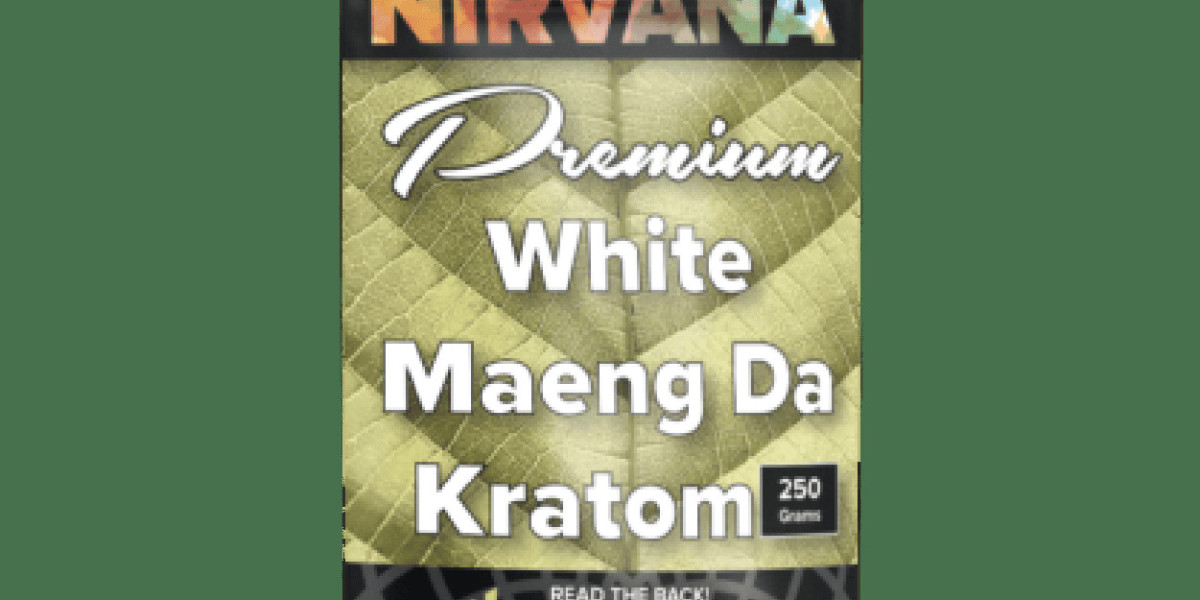

Unveiling the Botanical Heritage of White Maeng Da
Botanical enthusiasts frequently delve into the intricate taxonomy of Mitragyna speciosa, seeking out cultivars that exhibit extraordinary characteristics. Among the elite lineage of Southeast Asian botanicals, White Maeng Da Kratom holds a prestigious reputation. Indigenous harvesters originally cultivated this variant through meticulous grafting techniques, aiming to maximize specific biochemical properties. Unlike conventional strains, this specific phenotype undergoes an intensive drying process under specialized sunlight exposure, which significantly alters its internal chemistry.
Connoisseurs often contrast this vibrant variety with Green Malay Kratom, noting distinct geographical lineage and maturation timelines. While the Malay variant thrives in lush tropical rainforests with mineral-rich soil, the Maeng Da lineage originates from heritage trees known for exceptional resilience. Understanding these foundational divergences provides essential context for evaluating their subsequent alkaloid distributions and physiological interactions.
The Molecular Architecture: Alkaloid Profiles Explored
At the heart of every botanical specimen lies a complex matrix of organic compounds. Laboratory chromatography reveals that White Maeng Da Kratom boasts a particularly dense concentration of primary active constituents. Mitragynine serves as the dominant compound, accounting for the vast majority of the total alkaloid fraction. However, secondary alkaloids such as 7-hydroxymitragynine, paynantheine, and speciogynine exist in precise proportions, orchestrating a synergistic chemical symphony.
Comparative Analysis: Maeng Da Versus Malay
When juxtaposed against Green Malay Kratom, the biochemical variances become remarkably clear. While the Malay variant features a balanced equilibrium of diverse indole alkaloids conducive to sustained endurance, the Maeng Da profile skews toward high-potency alkaloid saturation. This structural disparity dictates how each cultivar interacts with biological receptors, offering unique experiential outcomes for botanical researchers and ethnobotanical scholars alike.
Cultivation, Harvesting, and Processing Methodologies
The journey from dense Southeast Asian jungles to global distribution involves meticulous agricultural protocols. Skilled gatherers identify mature Mitragyna speciosa specimens possessing broad, vibrant leaves. Harvesting timing remains paramount; cultivators typically gather foliage during peak seasonal humidity to ensure optimal nutrient accumulation within the cellular matrices.
The Proprietary Curing Phase
Once harvested, the leaves designated for White Maeng Da Kratom undergo a rigorous indoor and outdoor drying regimen. Producers initially place the foliage in dark, climate-controlled chambers to initiate partial oxidation, followed by brief exposure to filtered morning sunlight. This dual-phase curing technique preserves the delicate white-veined stem coloration while concentrating specific indole compounds. Conversely, Green Malay Kratom leaves experience an extended fermentation-free drying cycle, preserving a chlorophyll-rich profile that mirrors its tropical rainforest genesis.
Potency Dynamics and Pharmacological Implications
Evaluating the potency of botanical derivatives requires sophisticated analytical testing. White Maeng Da Kratom consistently ranks among the most potent cultivars due to its concentrated alkaloid yield per gram of dry powder. Researchers attribute this elevated efficacy to the selective breeding heritage embedded within its taxonomic lineage, which prioritizes biochemical density over sheer foliage volume.
Receptor Affinity and Cellular Interaction
Upon ingestion, the constituents within White Maeng Da Kratom bind selectively to central nervous system receptors. The predominance of mitragynine facilitates swift cellular engagement, promoting heightened cognitive alertness and subjective invigoration. In contrast, users studying Green Malay Kratom frequently report a smoother, more gradual physiological absorption curve, making comparative pharmacological charting an endlessly fascinating pursuit for ethnobotanists.
Future Horizons in Botanical Research
As global interest in traditional Southeast Asian flora expands, rigorous scientific inquiry continues to illuminate the profound complexities of these botanical specimens. Modern spectrometry and advanced extraction methodologies allow researchers to isolate individual compounds with unprecedented precision. Whether investigating the invigorating properties of White Maeng Da Kratom or the harmonious balance inherent in Green Malay Kratom, ongoing empirical analysis promises to unlock deeper dimensions of natural pharmacology, cementing these remarkable cultivars as focal points of contemporary botanical scholarship.